The Story of the Peshawari Chappal
From the bazaars of Peshawar to red carpets around the world — the history of one of Pakistan's most loved shoes.
Rovanhide Atelier · 05 Nov 2026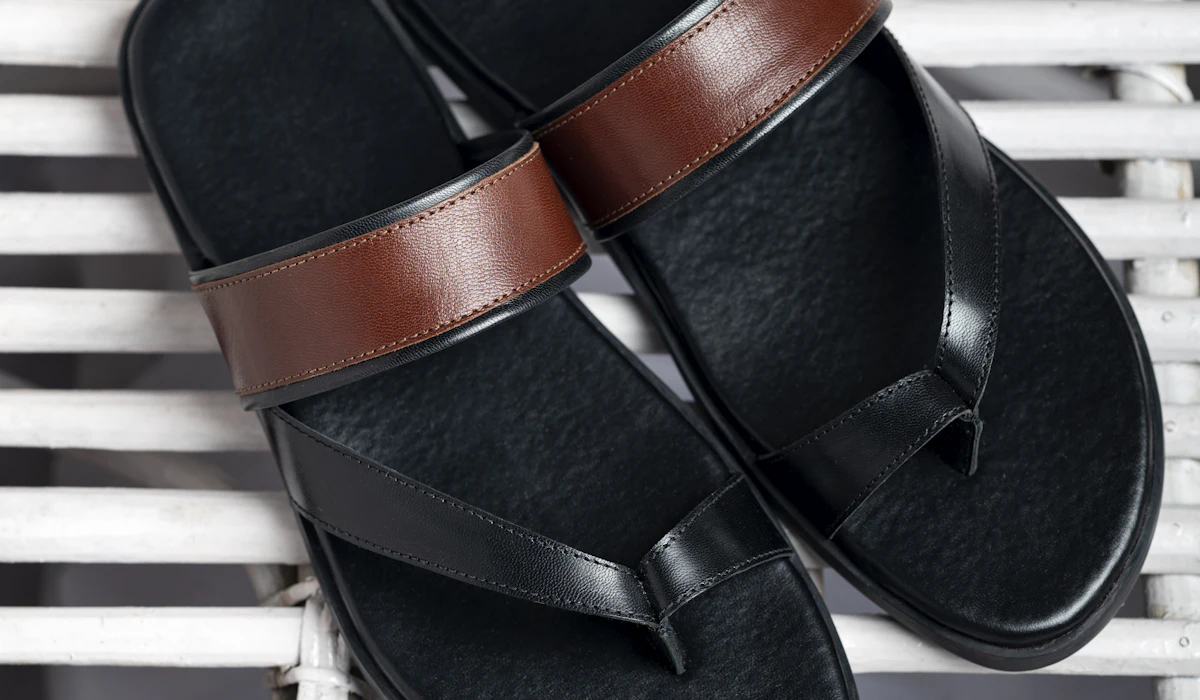
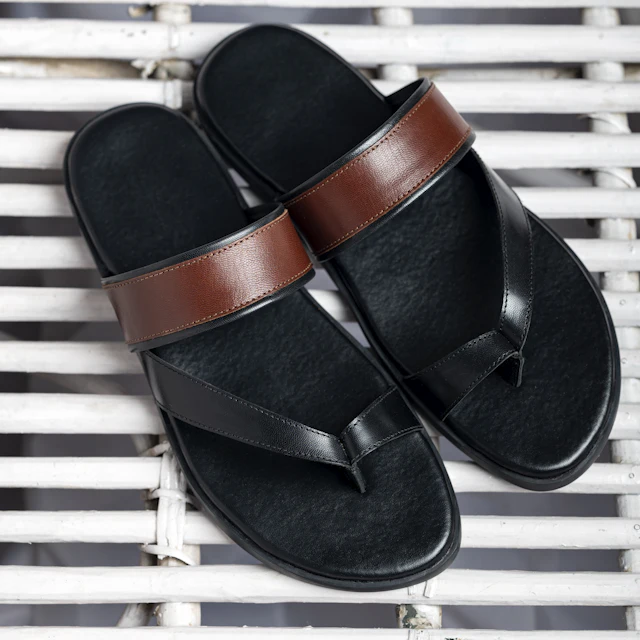
Few shoes are as recognisable as the Peshawari chappal: thick leather sole, crossed straps across the front and a strap around the heel, all stitched by hand.
Born in the mountains The chappal comes from the Khyber Pakhtunkhwa region, where it was made for long walks over rough, rocky ground. Its thick sole, often made from layers of leather or tyre rubber, and its strong buckled strap made it the perfect everyday shoe for the mountains.
Made by hand A traditional chappal is made by a single craftsman, from cutting the leather to the final stitch. Good ones are made from water buffalo or cow leather, which softens and shapes itself to your foot with wear.
A global style icon In recent years the Peshawari chappal travelled from Peshawar's Qissa Khwani bazaar to international fashion shows. Today it is worn with shalwar kameez at weddings and Eid, but also with jeans and chinos in London, Dubai and New York.
Kaptaan, Norozi and more Popular styles include the Kaptaan chappal — a sleeker, closed-toe style — and the Norozi, with its classic open design. Each has its own fans.
Our chappals are hand-stitched by craftsmen in Pakistan, in the same tradition, and shipped worldwide.