How to Tell Real Leather from Fake: 7 Simple Tests
Faux leather has become very good at looking real. Here are seven tests anyone can do — in a shop or the moment a parcel arrives.
Rovanhide Atelier · 20 Oct 2026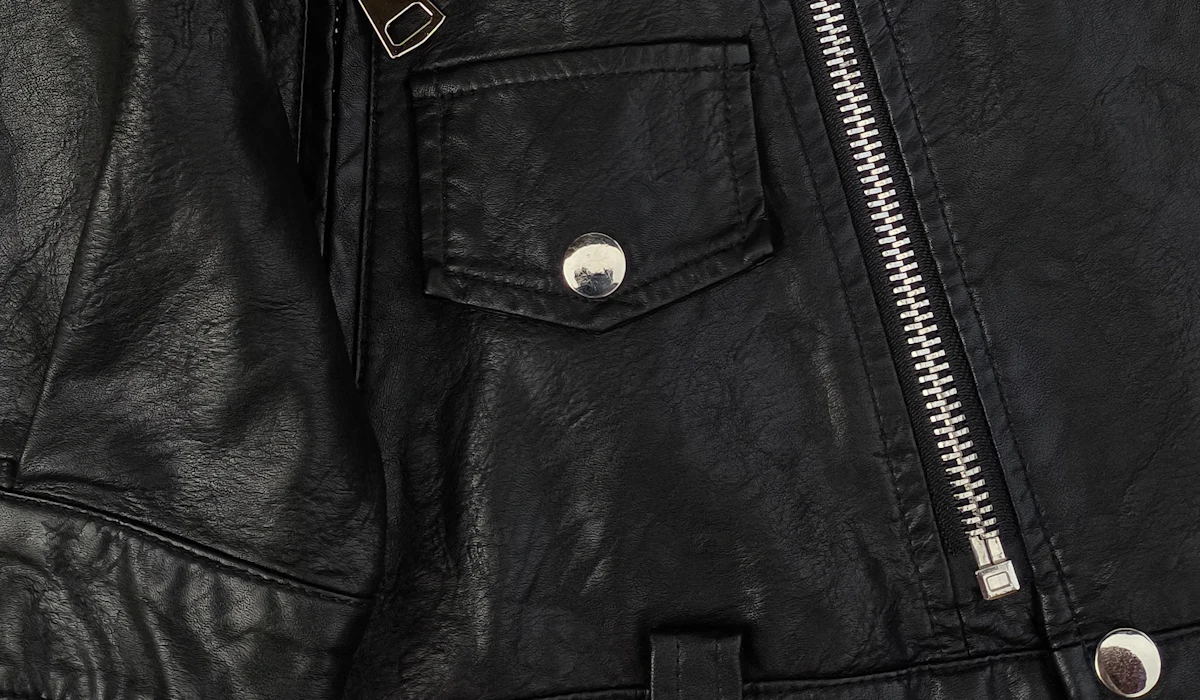
Synthetic "leather" (PU or PVC) is everywhere, and in photos it can look just like the real thing. The difference shows up after a few months: fake leather cracks and peels, real leather softens and gets better with age. Here is how to check.
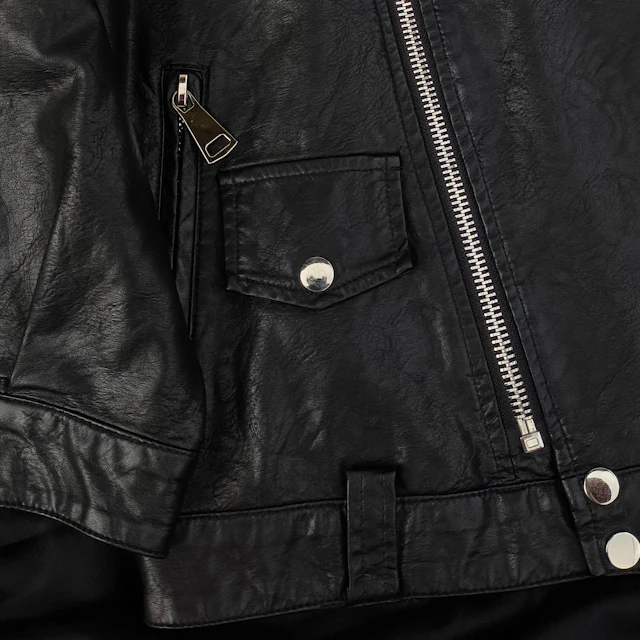
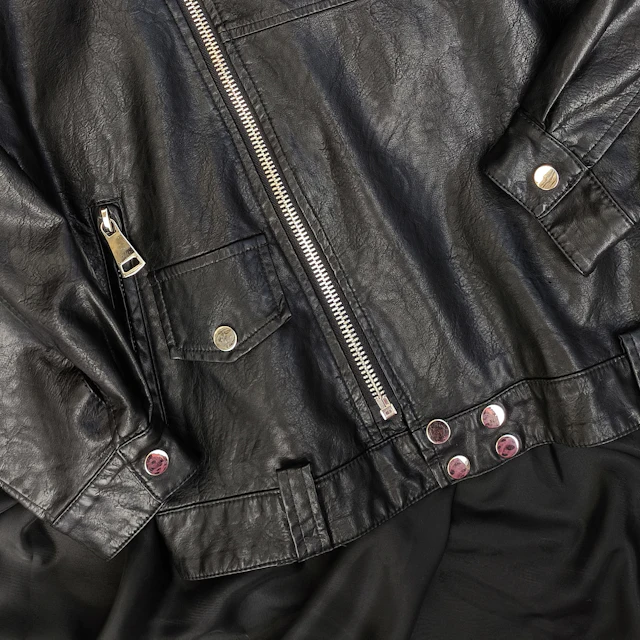
1. Look at the grain Real leather has an irregular surface — small pores, creases and tiny marks, because it was once skin. Faux leather has a perfectly repeated pattern, like a print.
2. Check the edges Turn a belt or wallet edge towards you. Genuine leather shows a rough, fibrous cross-section (or a smooth, burnished edge). Faux leather shows a layer of plastic on top of fabric.
3. Smell it Real leather has a rich, warm, slightly sweet smell. Synthetic material smells like plastic or chemicals.
4. Press it Press a fingertip into the surface. Real leather wrinkles and changes colour slightly under pressure, like skin. Faux leather just sinks in and keeps its shape.
5. Feel the temperature Hold it for a minute. Real leather warms up to your body temperature; plastic stays cool and can feel sticky.
6. Read the label "Genuine leather", "full-grain" or "top-grain" means real. Words like "vegan leather", "PU", "leatherette" or "man-made materials" mean it is not.
7. The price Real full-grain leather costs more to make. A "leather" jacket for the price of a T-shirt is almost never real.
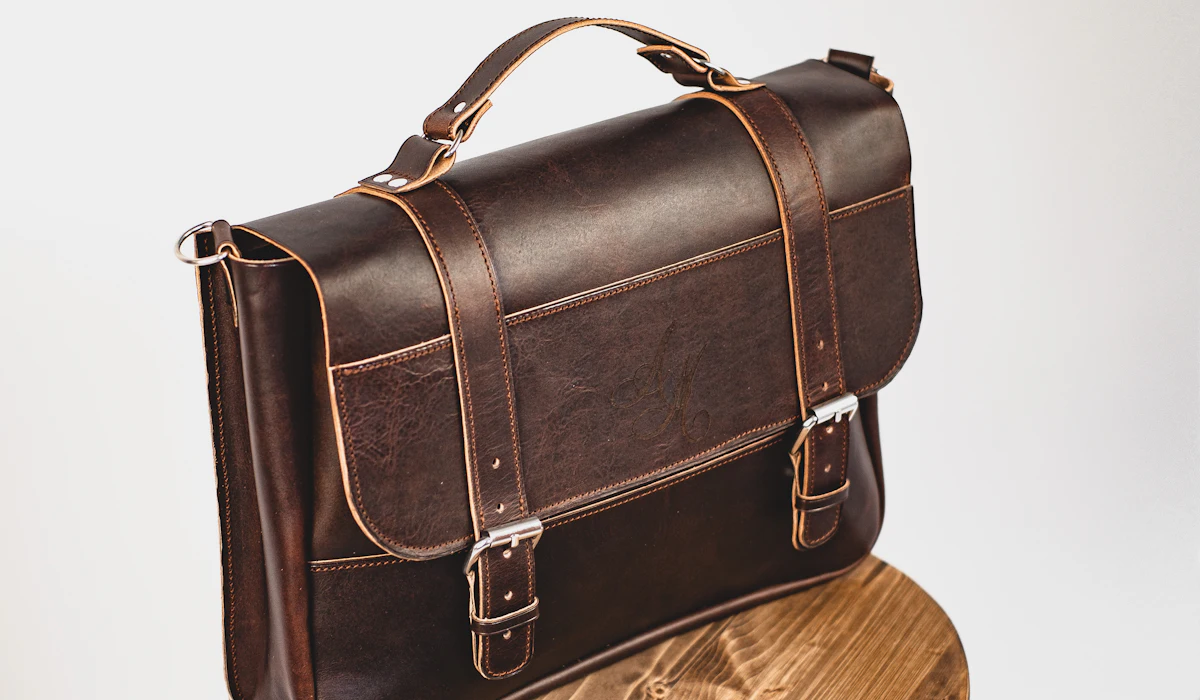
At Rovanhide every piece is 100% genuine leather — never PU — and we are happy to send close-up photos or videos of any item before you order.